AI SDKs

AI SDKs for integrating models, agents, embeddings, and generative features into applications with practical developer tools and APIs.

AI Infrastructure

Explore this collection

Products

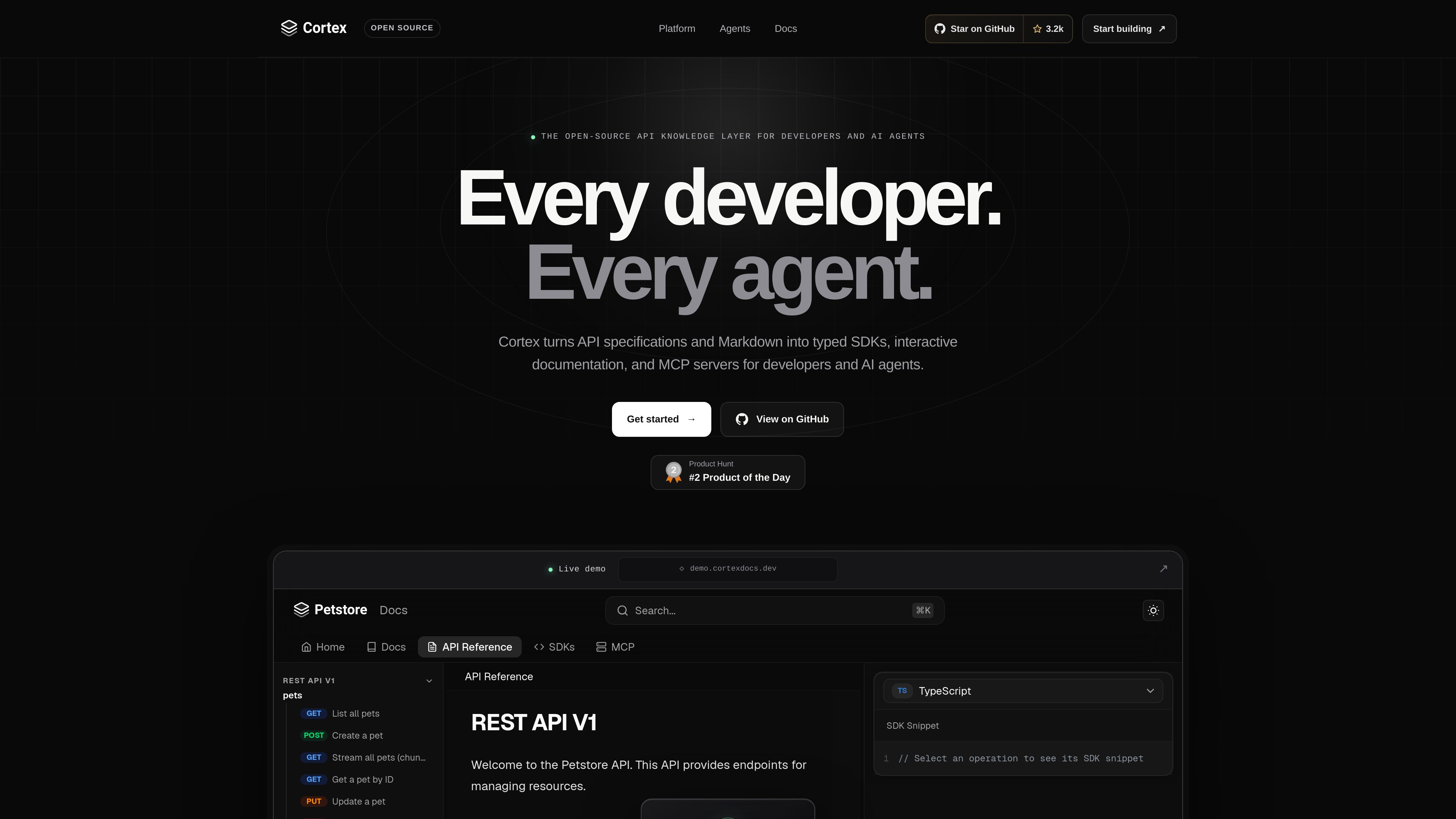
Cortex Docs preview
Cortex Docs logo

Cortex Docs

AI Developer Tools

Cortex Docs is an open-source API tooling workflow that turns API specifications and Markdown into interactive documentation, typed SDKs, and MCP servers. It helps developers publish API interfaces for human users, applications, and AI agents from a shared project.

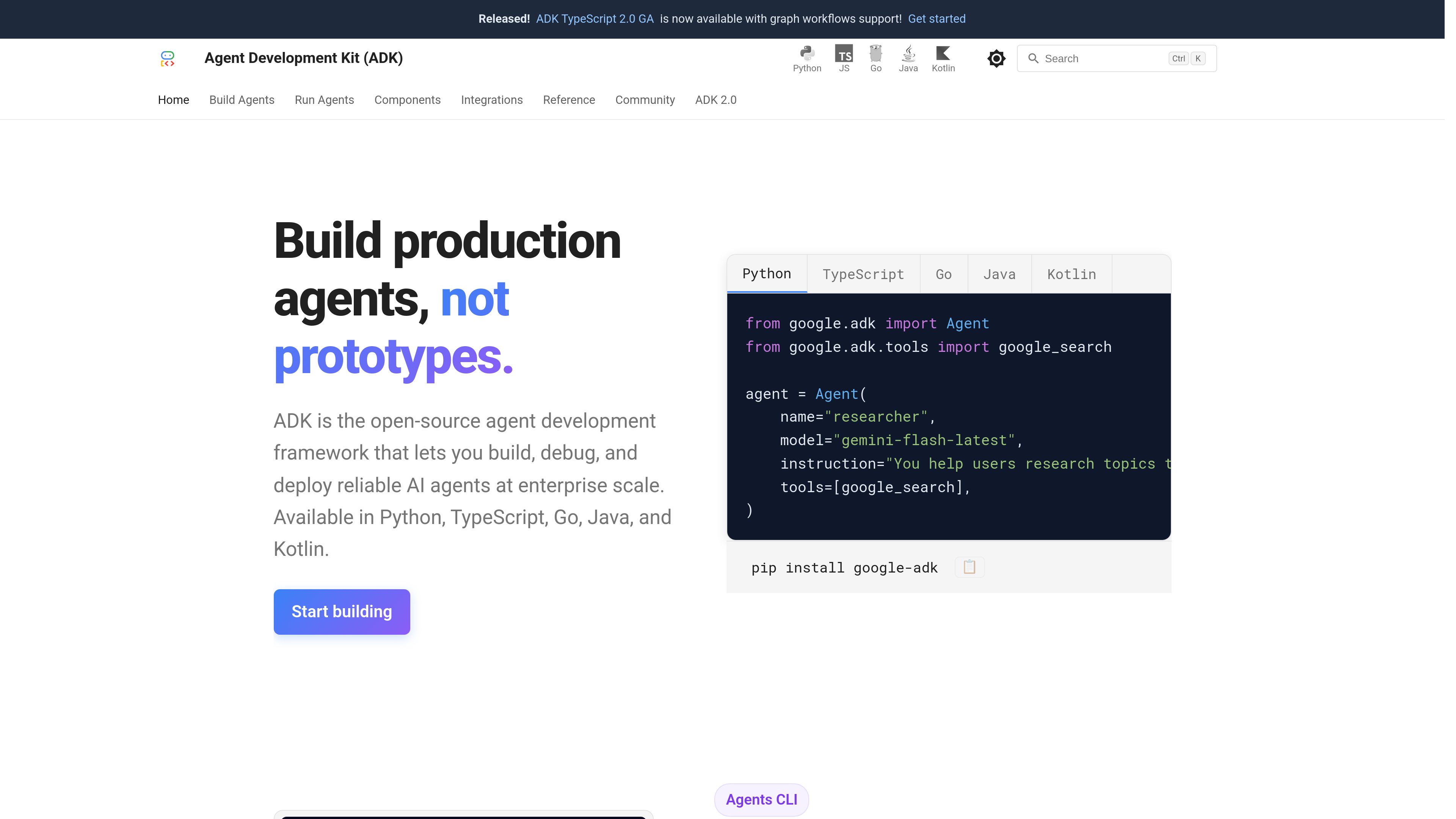
Agent Development Kit (ADK) preview
Agent Development Kit (ADK) logo

Agent Development Kit (ADK)

AI Agent Builder

Agent Development Kit (ADK) is an open-source framework for building, evaluating, and deploying conversational and non-conversational AI agents. It supports multi-agent systems, tools, structured workflows, and production runtimes across Python, TypeScript, Go, Java, and Kotlin.
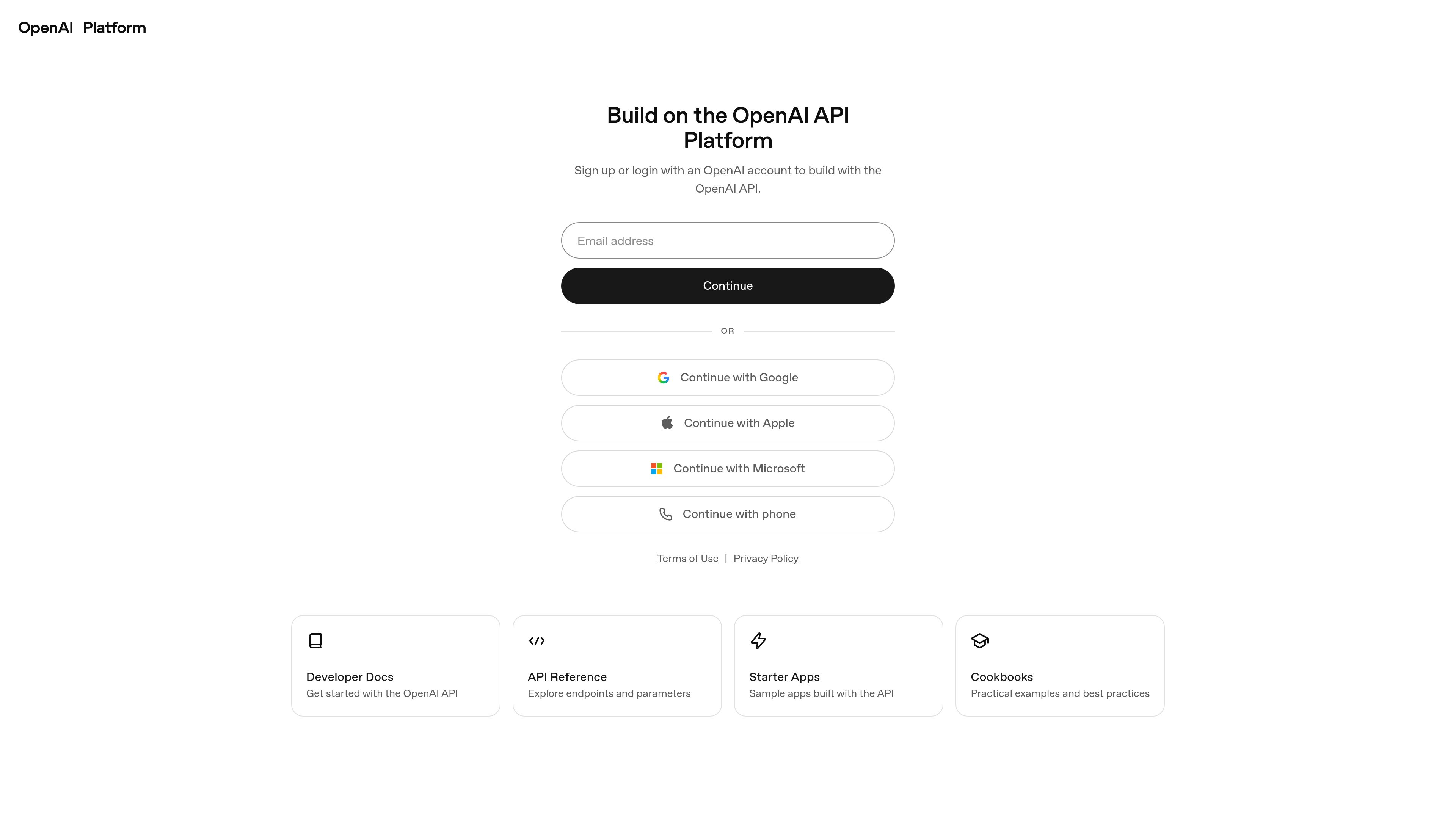
OpenAI Platform preview
OpenAI Platform logo

OpenAI Platform

AI Developer Tools

OpenAI Platform is a developer platform for building applications with the OpenAI API. It provides API access, model and pricing information, technical documentation, starter apps, and cookbooks for implementation guidance.

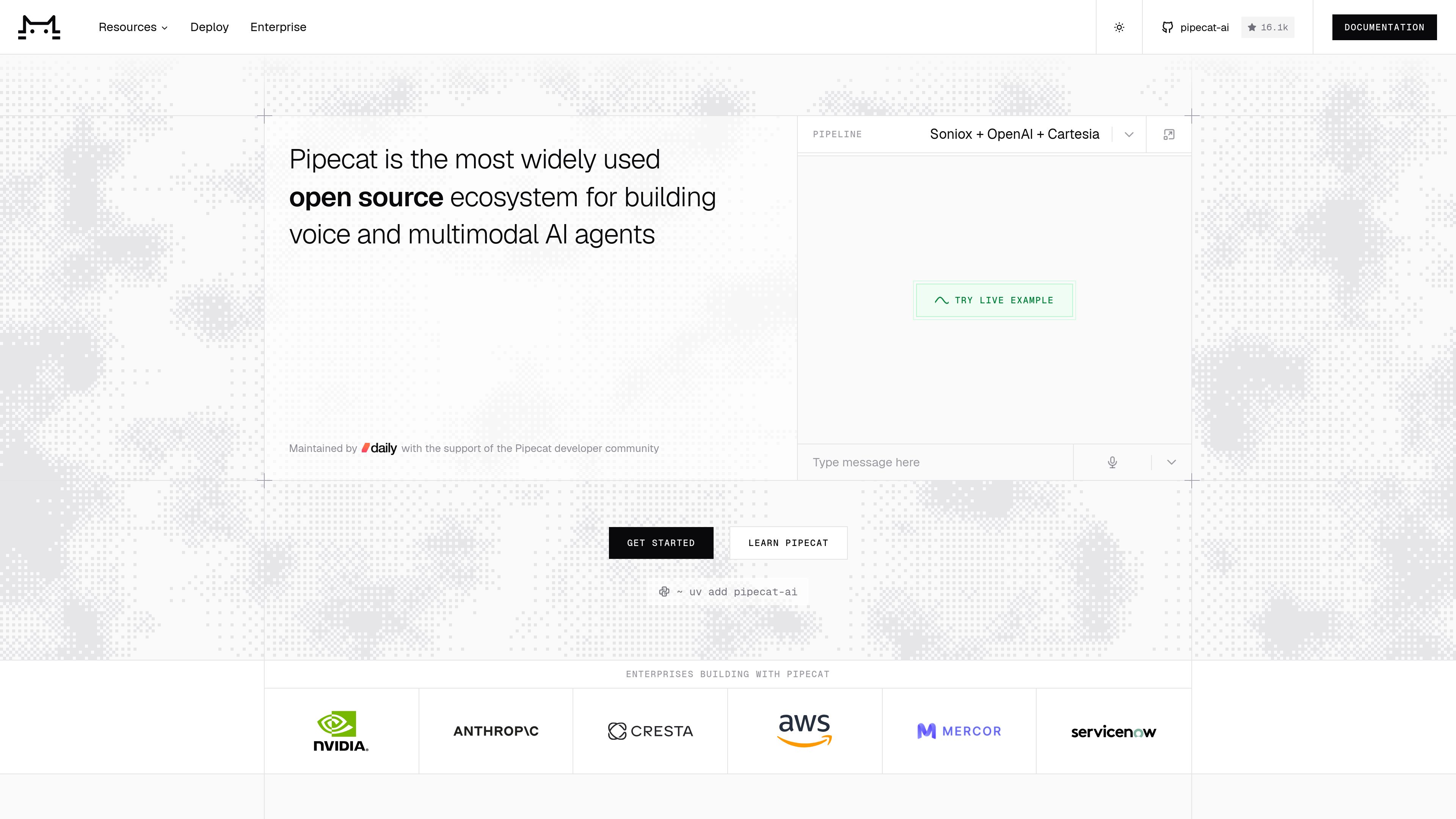
Pipecat preview
Pipecat logo

Pipecat

AI Agent Infrastructure

Pipecat is an open-source Python framework and ecosystem for building real-time voice and multimodal AI agents. It helps developers compose pipelines that coordinate speech, language, vision, video, text, tools, and telephony transports.

Gemini API preview
Gemini API logo

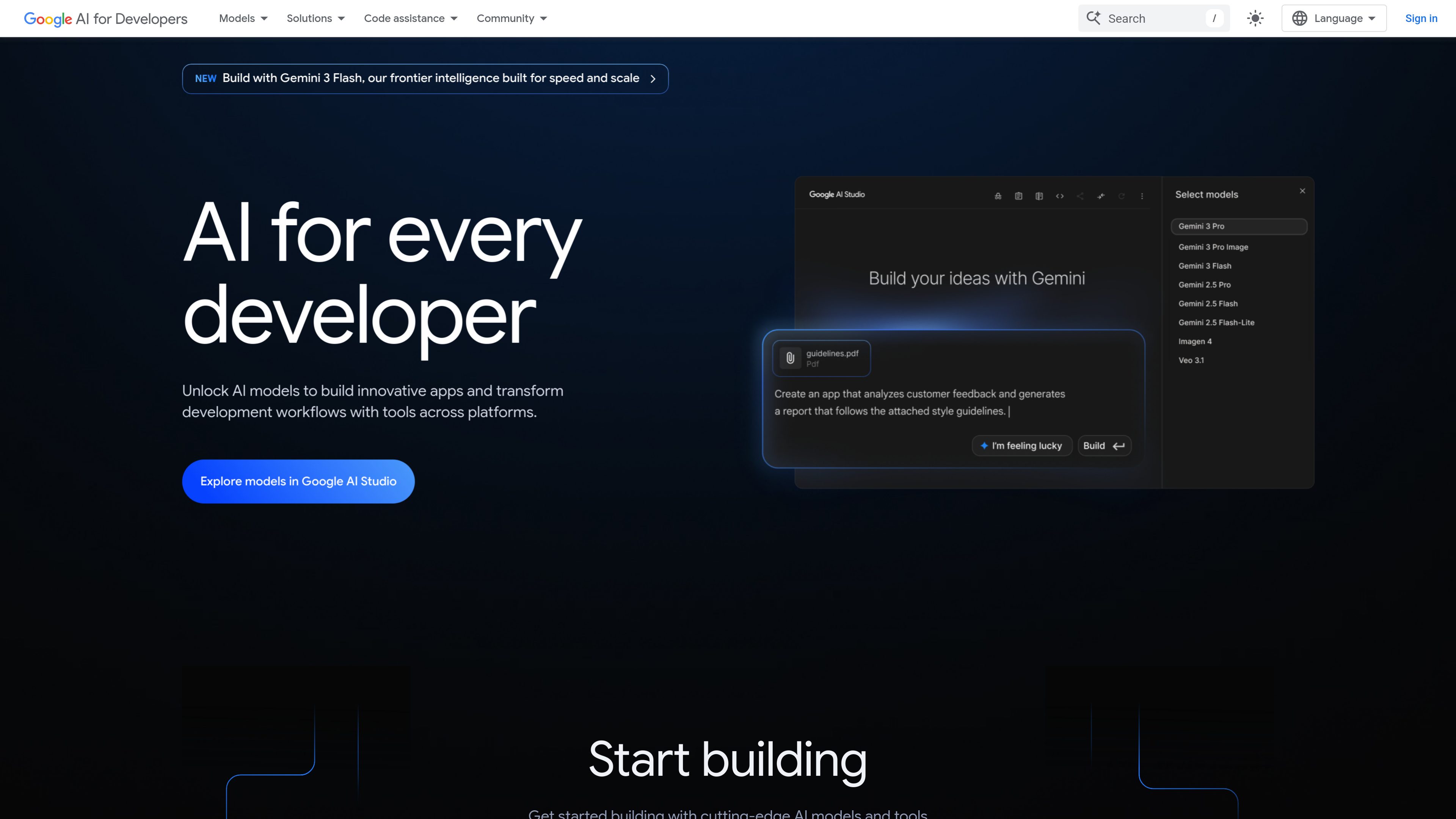
Gemini API

AI Developer Tools

Gemini API is a developer API for integrating Google’s generative AI models into applications. It supports text and image generation, multimodal analysis, conversational agents, structured outputs, tool use, and related media workflows through SDKs or REST.

Claude Platform preview
Claude Platform logo

Claude Platform

AI Agent Infrastructure

Claude Platform gives developers programmatic access to Claude models and managed agent infrastructure for building agents and applications. It includes a REST API, official client SDKs, a web Console, and documentation for direct integrations.

Microsoft Agent Framework preview
Microsoft Agent Framework logo

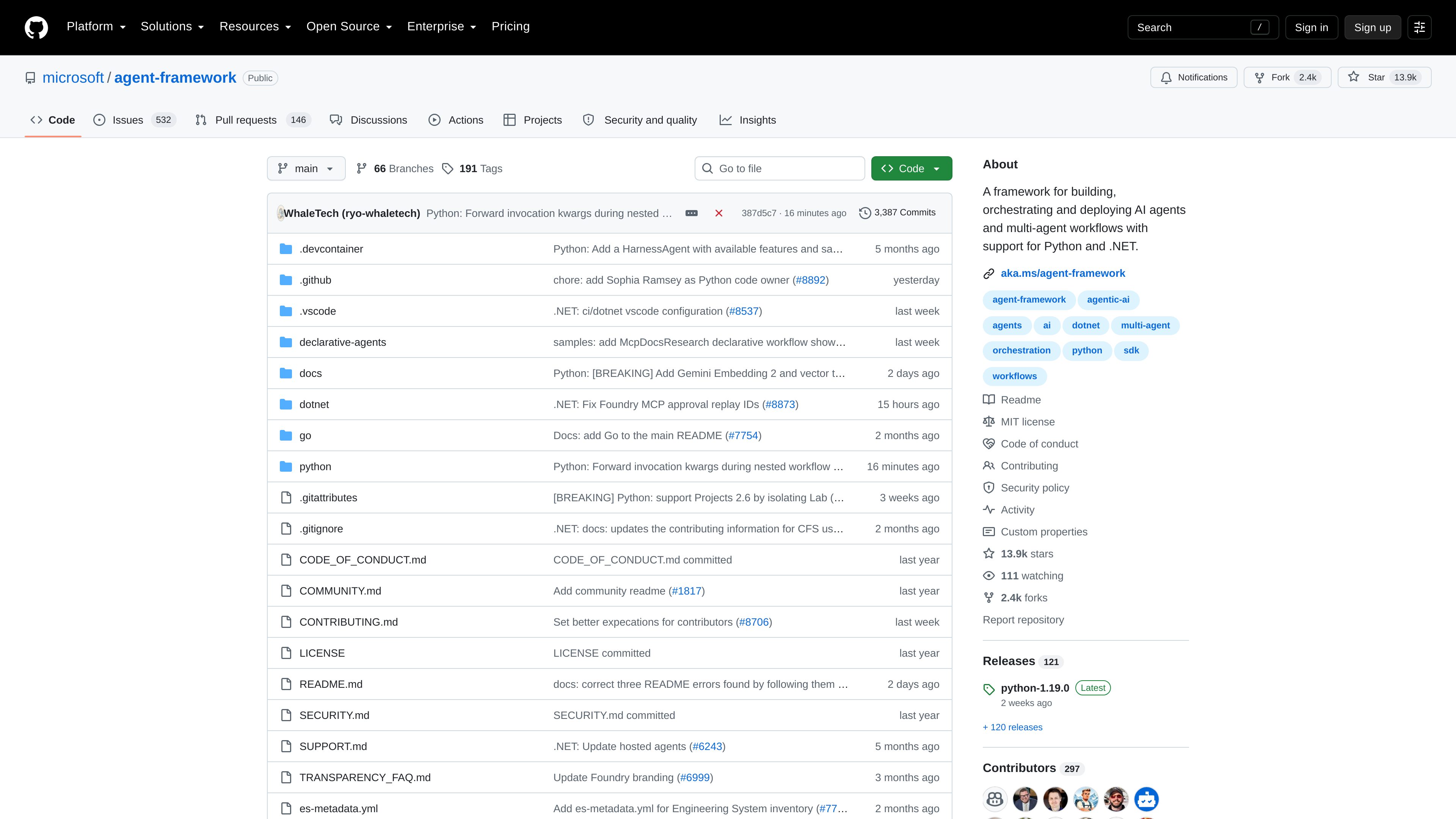
Microsoft Agent Framework

AI Agent Builder

Microsoft Agent Framework is a developer framework for building, orchestrating, and deploying AI agents and multi-agent workflows. It supports implementations in Python and .NET.

Instructor preview
Instructor logo

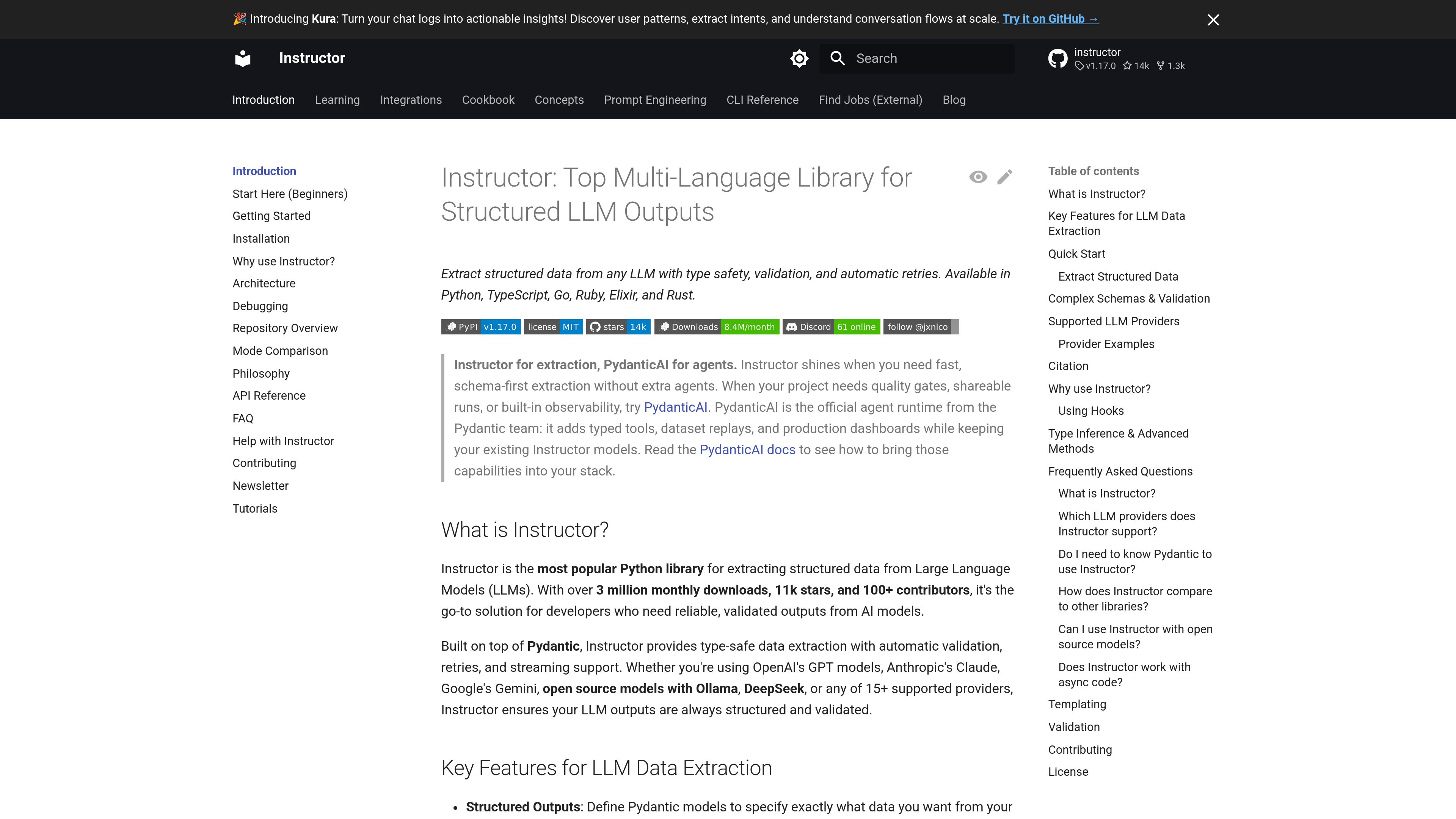
Instructor

AI Data Extraction

Instructor is a developer library for extracting structured, validated data from large language models. It uses Pydantic schemas, automatic retries, streaming, and a consistent interface across cloud, local, and routed LLM providers.

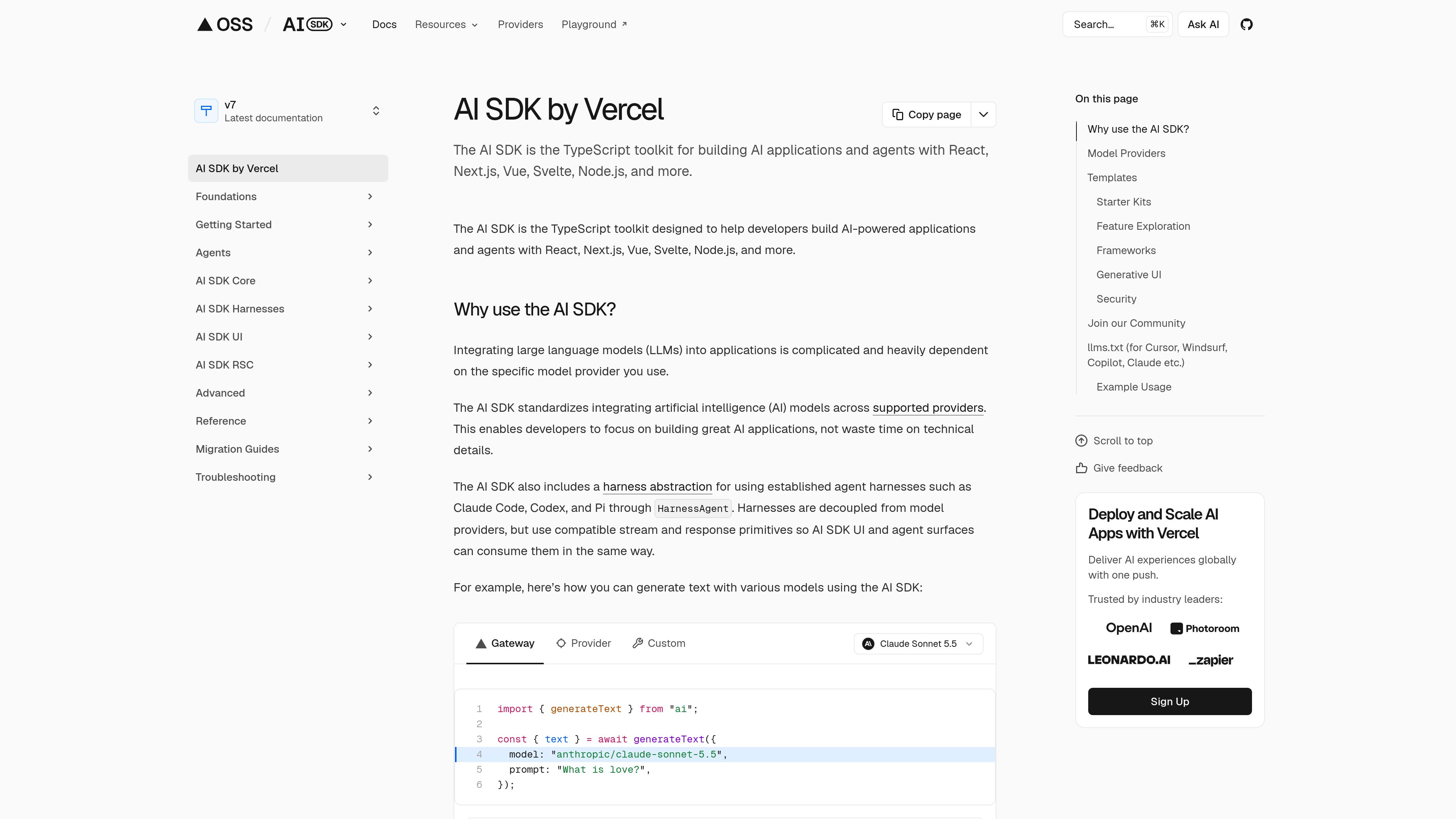
AI SDK preview
AI SDK logo

AI SDK

AI Agent Infrastructure

AI SDK is a TypeScript toolkit for building AI-powered applications and agents across supported model providers and web frameworks. It provides shared APIs for model generation, tool use, streaming, structured output, and AI user interfaces.

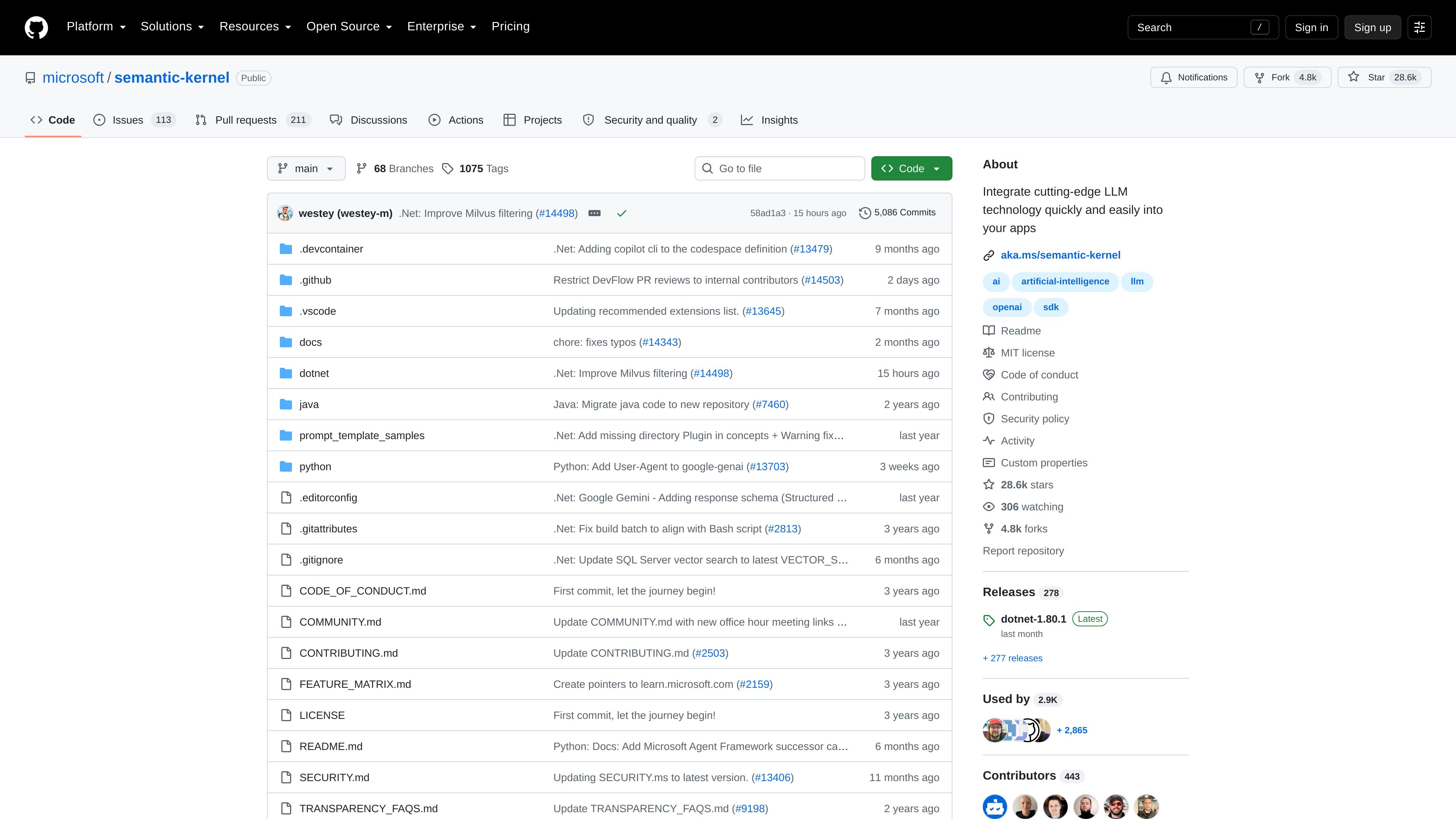
Semantic Kernel preview
Semantic Kernel logo

Semantic Kernel

AI Agent Infrastructure

Semantic Kernel is Microsoft’s public GitHub software project for integrating large language model technology into applications. The repository includes implementation and documentation directories for .NET, Python, and Java development.

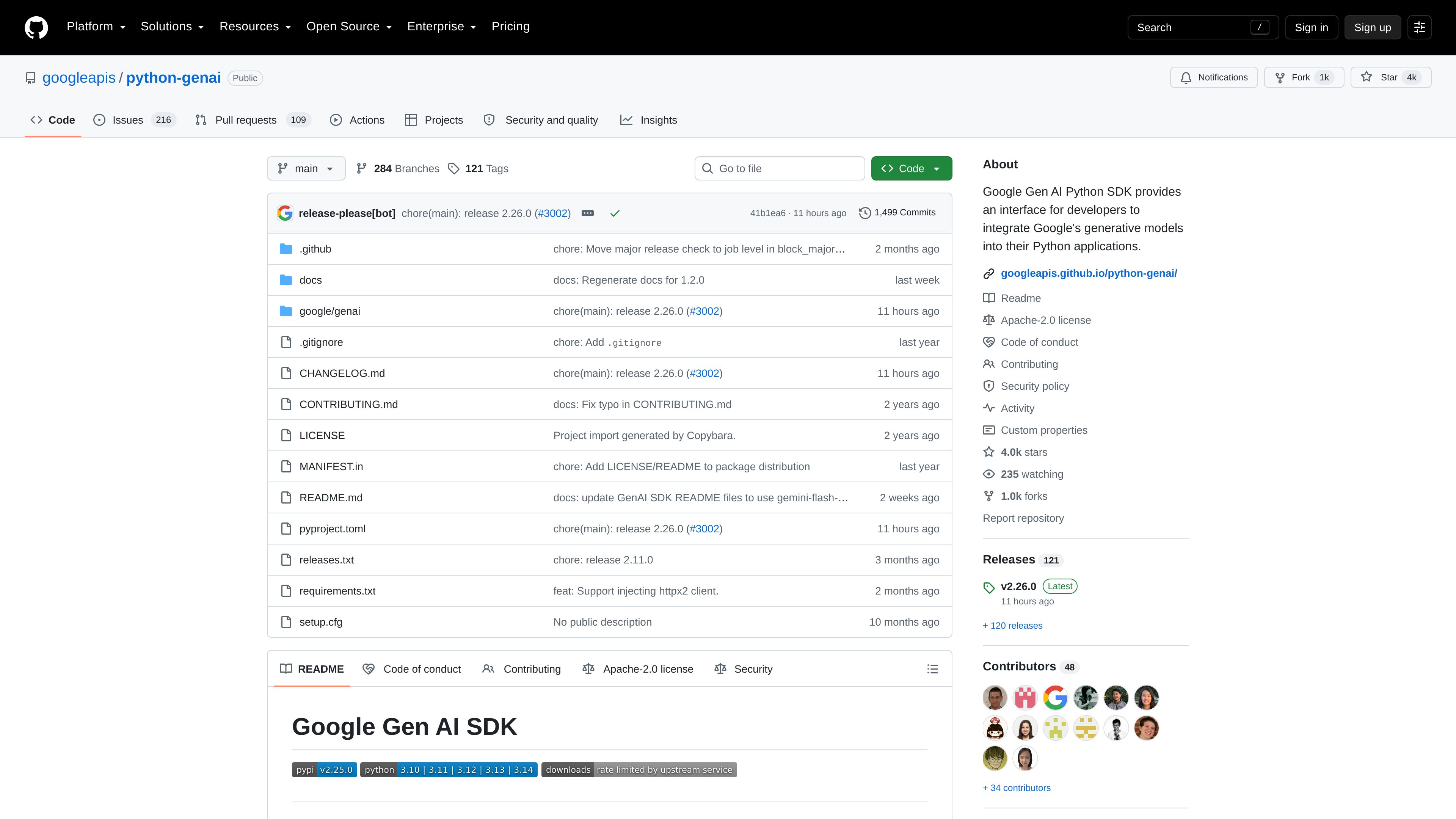
Google Gen AI Python SDK preview
Google Gen AI Python SDK logo

Google Gen AI Python SDK

AI SDKs

A Python SDK for integrating Google’s generative models into applications through the Gemini Developer API and Gemini Enterprise Agent Platform APIs. It provides client libraries, typed request helpers, and synchronous or asynchronous workflows for developers building with Google’s generative AI services.
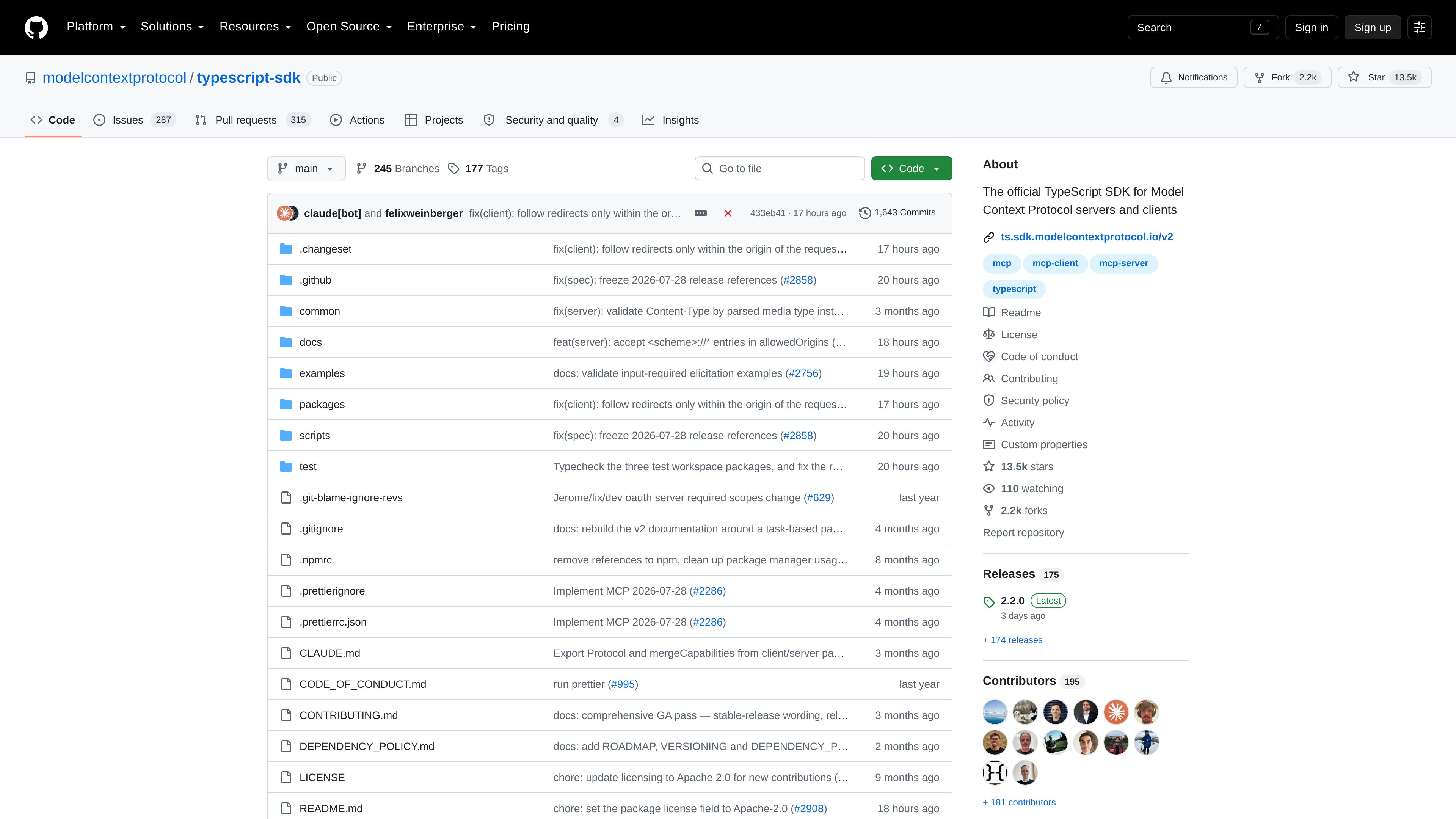

Model Context Protocol TypeScript SDK preview
Model Context Protocol TypeScript SDK logo

Model Context Protocol TypeScript SDK

AI Agent Infrastructure

The official TypeScript SDK for building Model Context Protocol servers and clients. It provides a repository-organized foundation for MCP development, with separate client, server, core, middleware, documentation, and example areas.