

2026 Best Vector Database tools
Vector databases help you store, index, and search embeddings for semantic retrieval, recommendation systems, RAG pipelines, and AI applications.
AI Infrastructure
Explore this collectionTools

Supabase
Vector Database
Supabase is a Postgres development platform for building applications with a database, authentication, APIs, realtime features, serverless functions, storage, and vector support. It helps developers move from application code to a managed backend through a dashboard, client libraries, CLI, and generated APIs.
Freemium







Weaviate
Vector Database
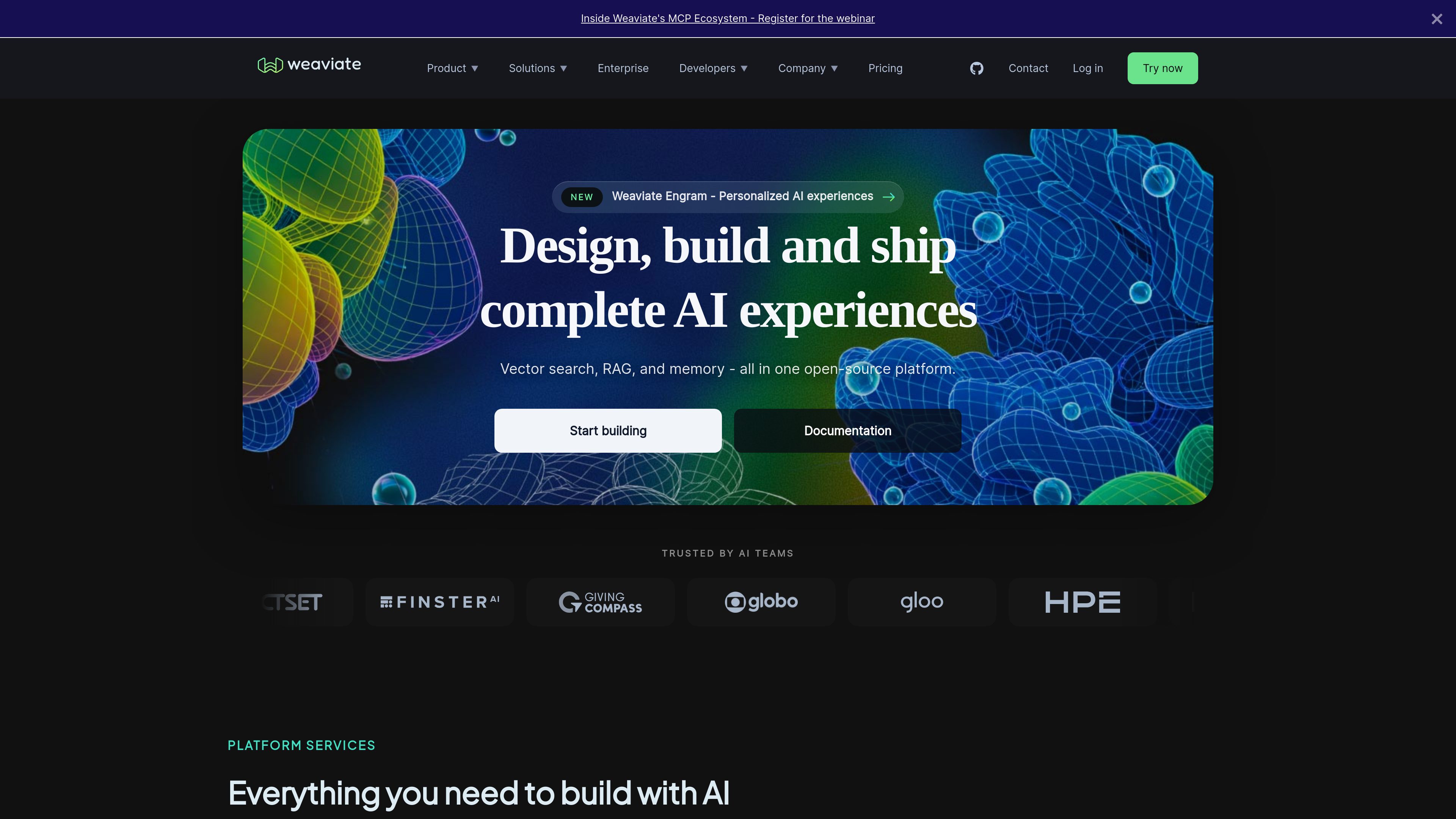
Weaviate is a vector database for building AI-native applications, including retrieval-augmented generation systems. It helps developers store and retrieve vector data, connect applications to language models, and deploy the database in a managed, self-hosted, or private-cloud environment.
Freemium


Vespa.ai
AI Search Engine
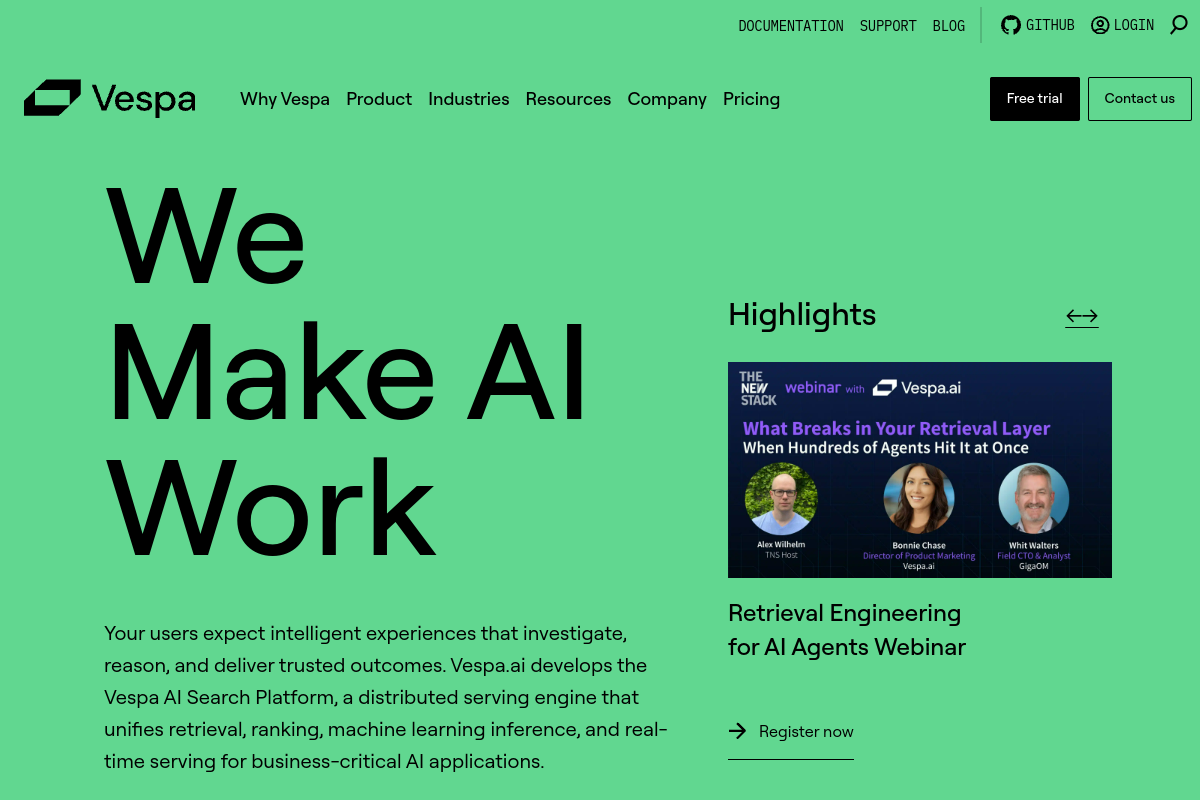
Vespa is an AI search platform for building search, retrieval-augmented generation, recommendation, personalization, and agent applications over text, vectors, tensors, and structured data. It is designed for developer teams that need configurable ranking and distributed operation at production scale.
Freemium




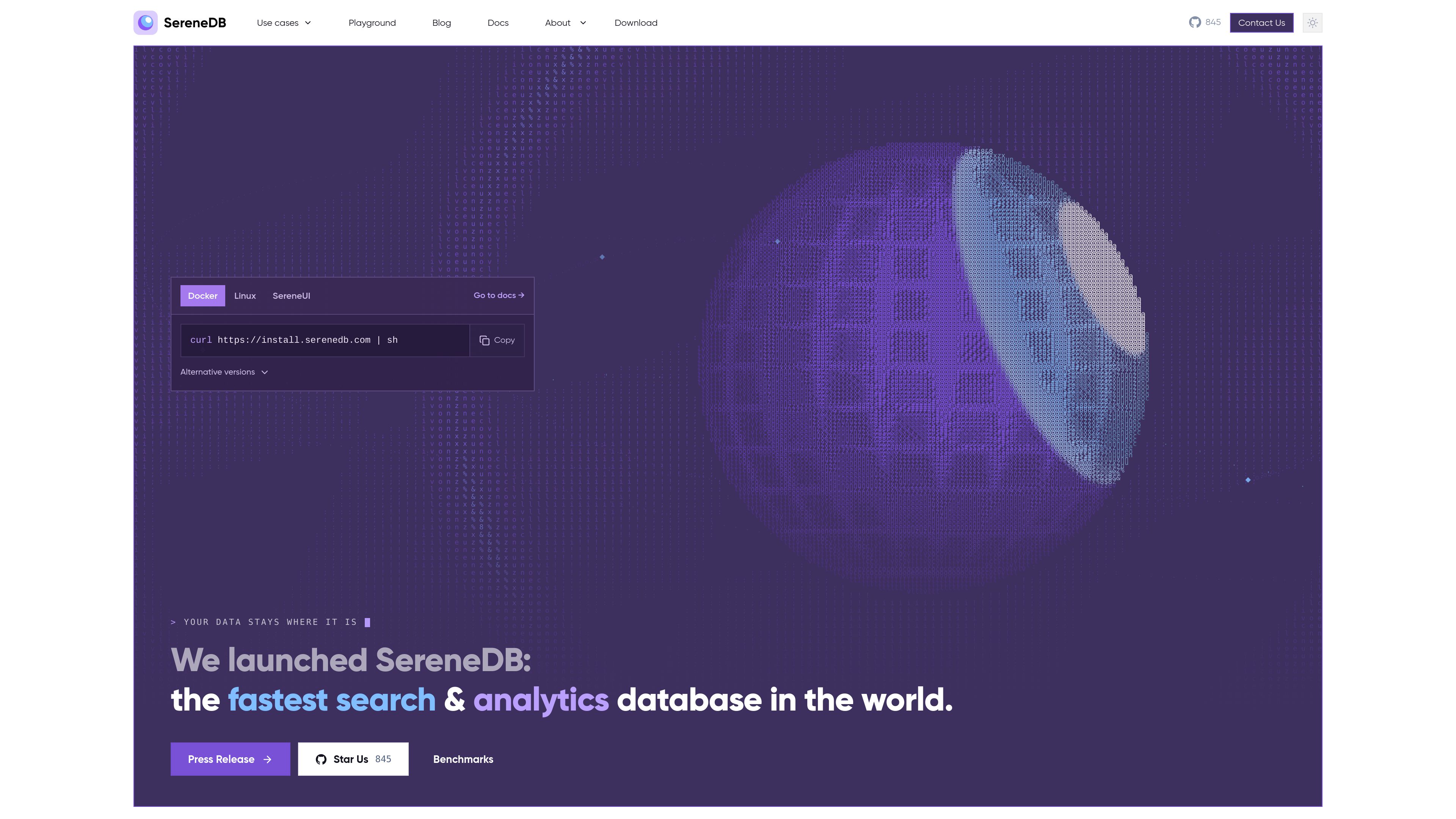

SereneDB
Vector Database
SereneDB is a search-OLAP database for real-time full-text, vector, hybrid search, and analytical queries over the same data. It uses SQL and the PostgreSQL wire protocol, helping developers connect with familiar clients while keeping search and analytics in one engine.
Freemium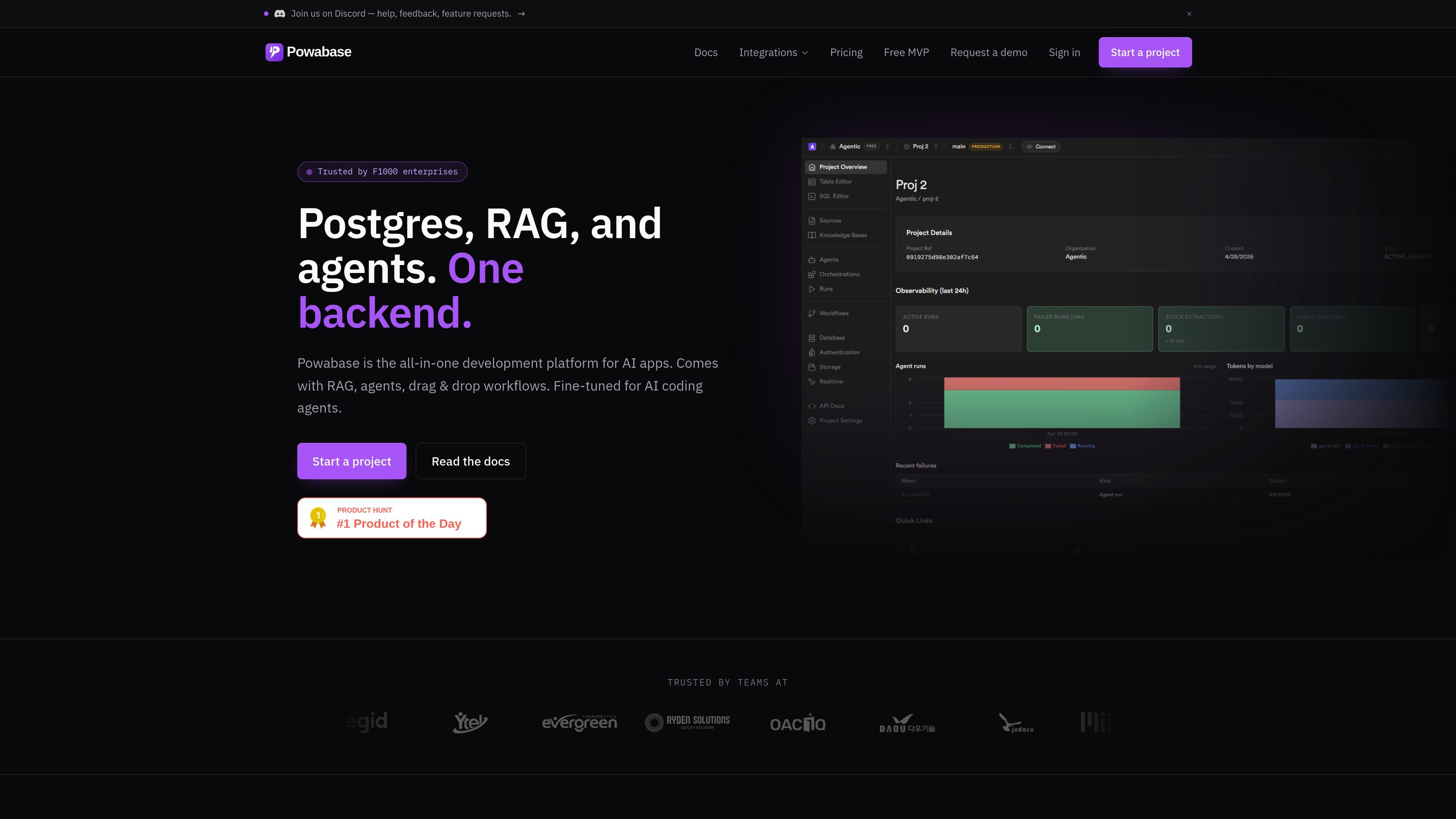

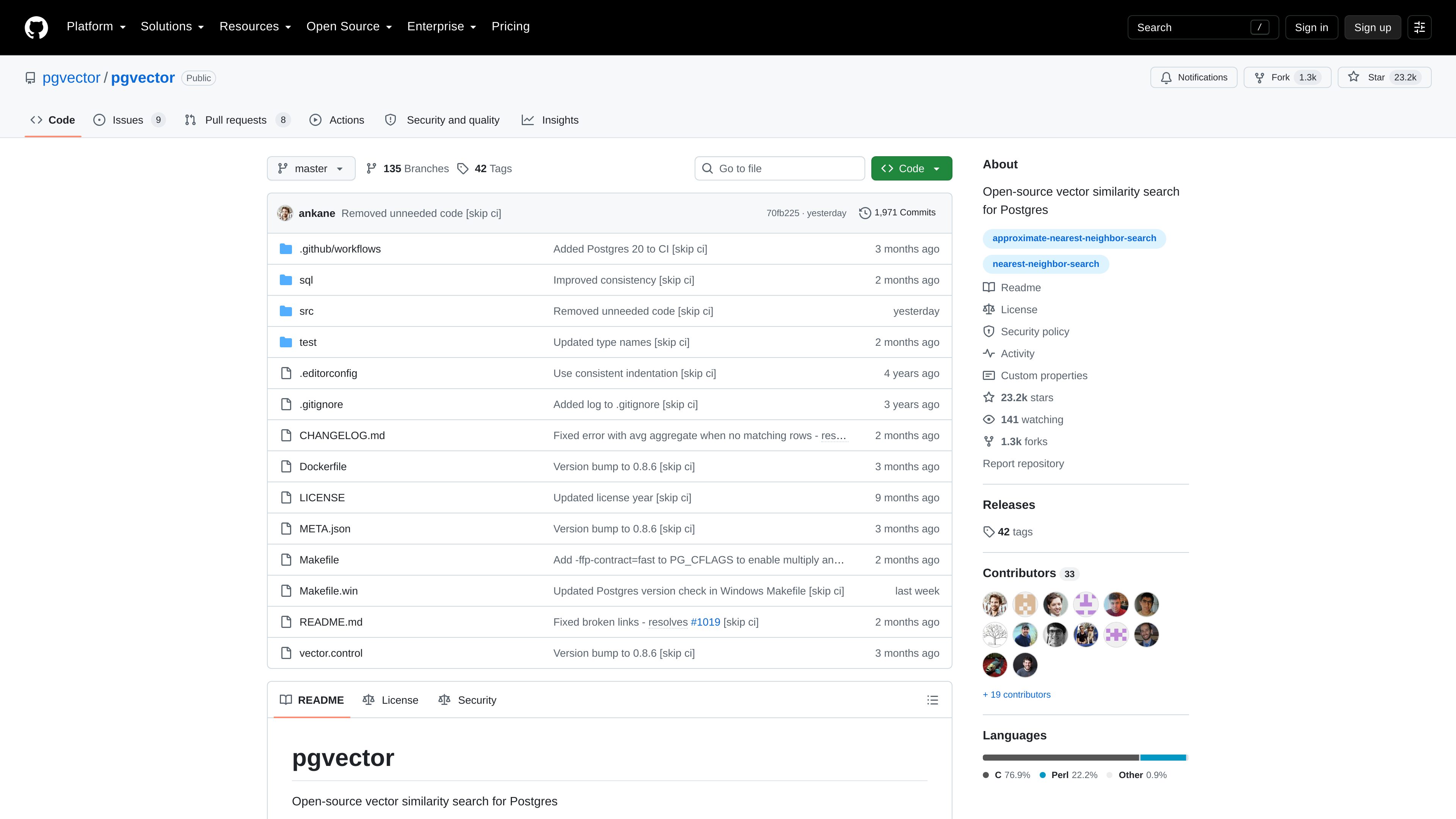

pgvector
Vector Database
pgvector is an open-source PostgreSQL extension for storing vectors and running exact or approximate nearest-neighbor searches alongside relational data. It supports multiple vector formats, distance functions, and standard PostgreSQL operations for applications that need similarity search.
Freemium

Frequently asked questions
What problems do Vector Database tools address?
Vector databases help you store, index, and search embeddings for semantic retrieval, recommendation systems, RAG pipelines, and AI applications.
Does protocol compatibility make an API a drop-in replacement?
Test tool calls, streaming, errors, context limits and multimodal inputs. Matching model names do not establish identical routing or billing. Replay representative requests and examine differences before moving traffic gradually.
Why can a lower model price still mean a higher total cost?
Caching, response length, retries, concurrency limits and latency affect cost per successful task. Self-hosting adds memory, idle capacity and operations. Estimate costs using your workload rather than list prices alone.
What should I verify before putting AI infrastructure in production?
Test timeouts, throttling, upstream failures and key rotation. Ensure retries do not repeat side effects. Review data location, log redaction and retention, and establish fallback, budget alerts and access auditing.