2026 Best AI Deepfake Detector tools
AI deepfake detectors help identify manipulated images, videos, audio, and faces, supporting safer content verification and digital media checks.
AI Detection & Safety
Explore this collectionTools


TruthScan
AI Deepfake Detector
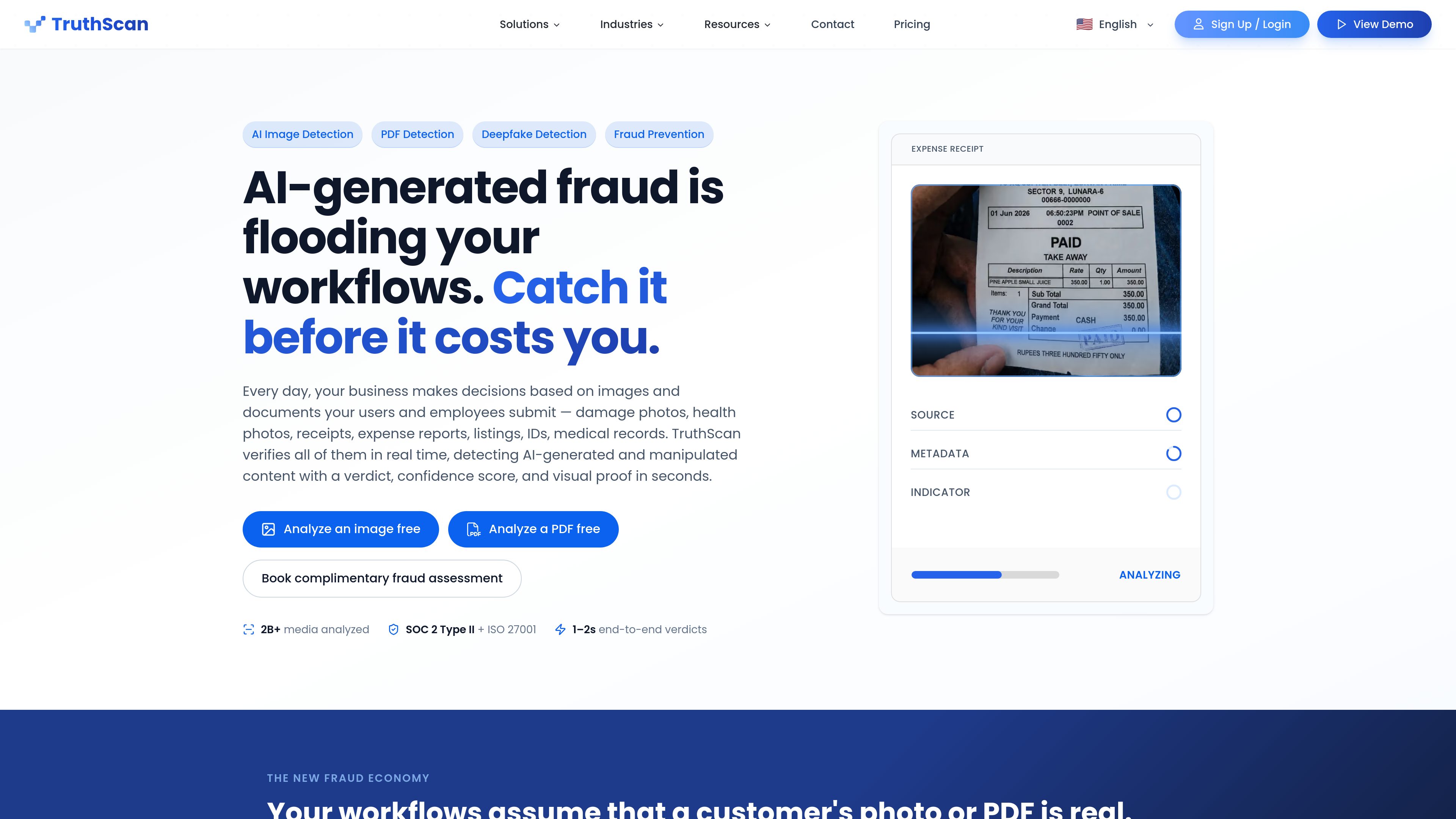
TruthScan is an enterprise AI detection platform that analyzes submitted images, PDFs, text, voice, and video for AI generation or manipulation. It helps fraud, trust and safety, compliance, education, media, and government teams review content with forensic evidence and workflow-ready results.
Freemium






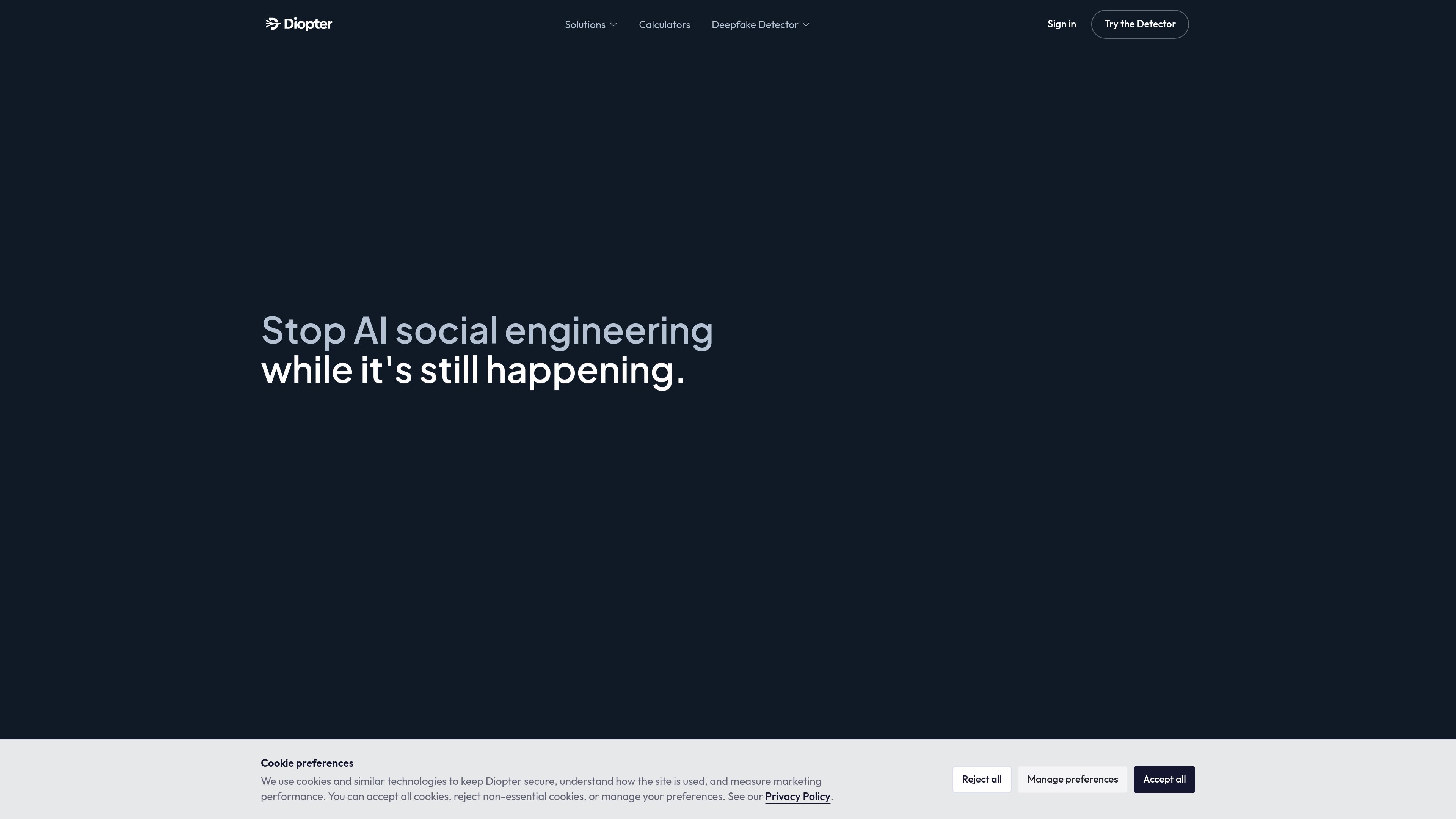

Diopter AI
AI Deepfake Detector
Diopter AI is a deepfake and AI social engineering detection platform for organizations handling high-trust calls involving payments, access, identity verification, and hiring. It analyzes audio, video, participant identity, conversation behavior, and policy alignment to surface risks while an interaction is still live.
Freemium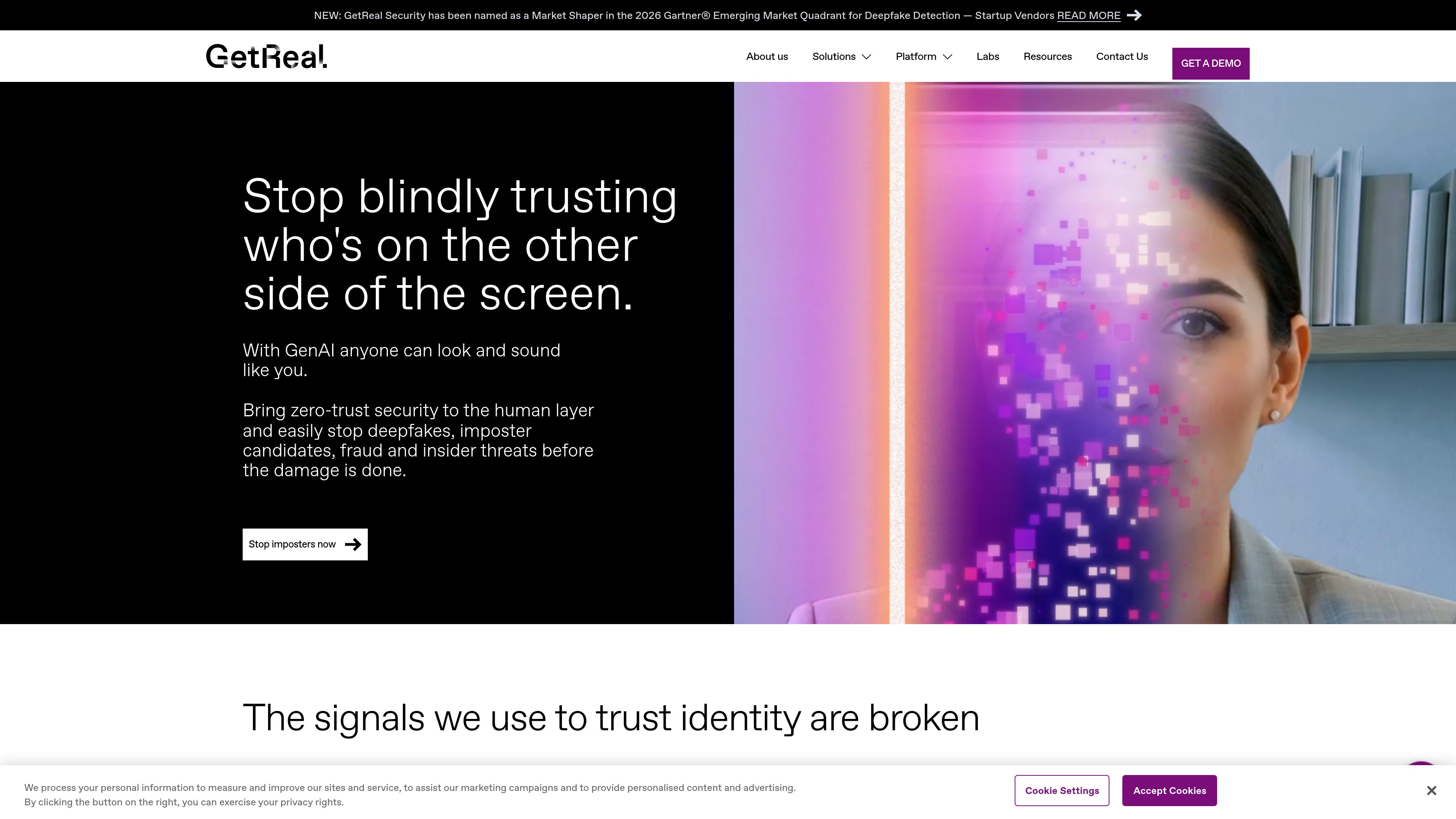

GetReal Security
AI Deepfake Detector
GetReal Security is an enterprise deepfake detection and human-identity defense platform for verifying people and media in real-time interactions and files. It helps security, hiring, fraud, and support teams identify impersonation and synthetic-media risks across video, voice, image, and hiring workflows.
Freemium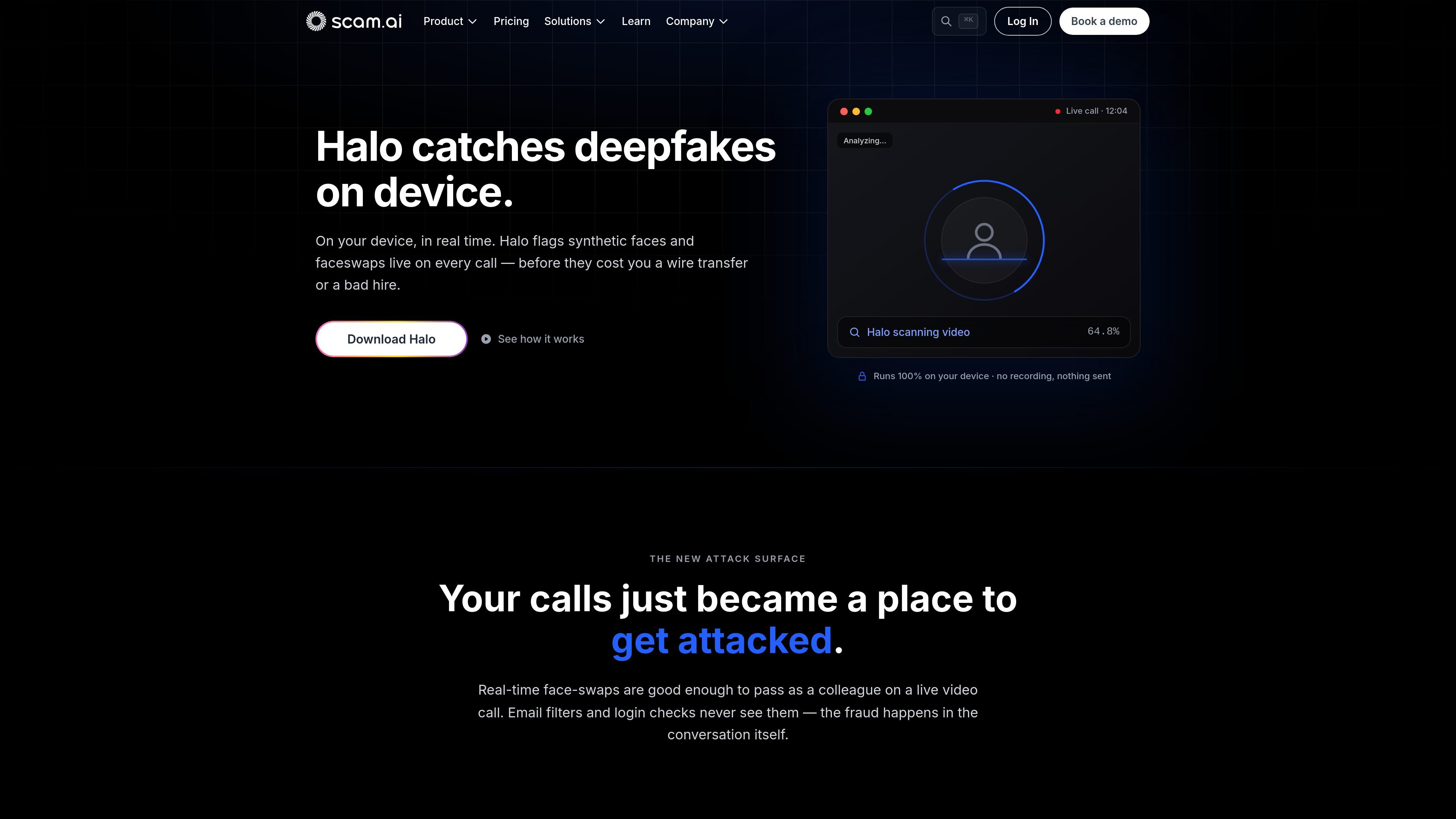

Frequently asked questions
What problems do AI Deepfake Detector tools address?
AI deepfake detectors help identify manipulated images, videos, audio, and faces, supporting safer content verification and digital media checks.
Does an AI detection score prove who created the content?
No single score establishes authorship. Short passages, translations, edits and non-native writing can affect a result. For disciplinary or public decisions, examine source files, creation history and human review instead of treating a probability as proof.
How do plagiarism checks, AI detection and fact-checking differ?
Plagiarism checks look for overlap with existing material. AI detection estimates origin. Fact-checking examines evidence for particular claims. Low similarity does not establish truth, and a negative AI result does not establish authorship.
How should I evaluate a moderation tool?
Use known-source samples containing acceptable content, edge cases and genuine violations. Record false positives and missed violations separately. Check explanations, rule controls and appeals rather than relying on one accuracy figure.