
Real-Time Quality Checking
Monitor operator efficiency and SOP compliance in real time so supervisors can spot process drift while work is happening.

Optifye is a manufacturing operations platform that uses AI cameras to monitor line efficiency, operator performance, and SOP compliance in real time.
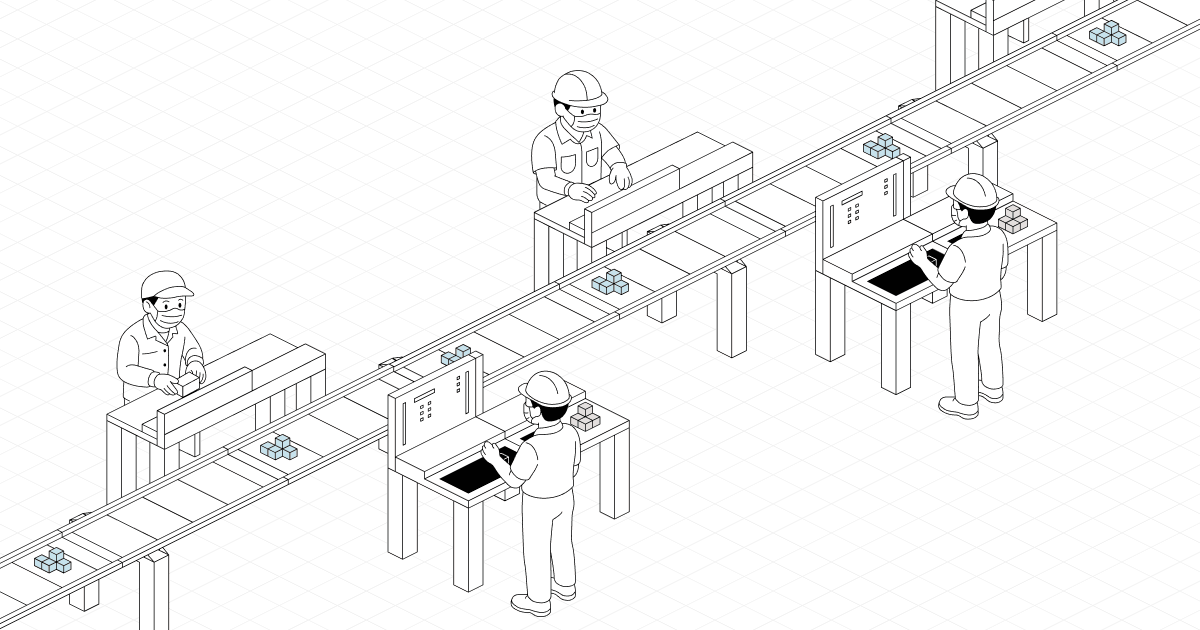
Optifye is a manufacturing operations platform that uses AI cameras to monitor operator efficiency and SOP compliance in real time. It is positioned for teams that want to measure manual processes, improve line visibility, and make production decisions from live operational data.
The site describes a simple deployment flow: connect to existing IP cameras or CCTV infrastructure, let the AI learn the operation over a three-day training period, and then use the dashboard to review inefficiencies and performance metrics. Optifye emphasizes use in factory settings where output, cycle time, quality checks, and bottlenecks need to be tracked without relying on manual counting.
Monitor operator efficiency and SOP compliance in real time so supervisors can spot process drift while work is happening.
Track output by workstation and line without manual counting, using camera-based measurement of workspace activity.
Measure production cycle times for individual workstations to understand where time is being spent.
Detect bottlenecks and compare line or operator performance so teams can rebalance work faster.
Set up automated production reporting, including daily WhatsApp reports mentioned on the homepage.
Use camera streams as the input source, with the site describing a three-day AI training phase before dashboard access.
Track operator performance and line output in real time when you need a clearer view of how manual work is actually being performed.
Check whether assembly steps are being followed correctly and catch process errors earlier to reduce scrap.
Measure cycle times and workstation output to find slow steps and rebalance work across a line.
Replace manual production counting with camera-based metrics for teams that need repeatable workspace-level output data.
Share daily production reports with supervisors or other stakeholders who need a quick operational summary.
Optifye is set up with existing IP cameras or CCTV infrastructure. The source says the system plugs into existing cameras, then AI models train on the camera streams for three days before the dashboard begins showing real-time insights.
It appears aimed at manufacturing operations that want visibility into manual processes, operator performance, quality checks, and bottlenecks. The site highlights use across automotive, apparel, welding, medical, and electronics manufacturing.
The source describes a three-step flow: set up cameras, let the AI learn the operations, and then access dashboards with real-time insights. It is built around monitoring rather than manual data entry.
The site does not list integrations with third-party software. The only explicit setup detail is that it uses existing CCTV/IP cameras and connects to an Optifye server and dashboard.
The source supports factory and line monitoring use cases, but it does not provide enough detail to confirm fit for every manufacturing environment or to describe limits around layout, connectivity, or hardware requirements.