
Prompt-based app creation
Describe an app in plain English and Blink generates the project structure and core functionality for you.

Blink is an AI app builder for websites, SaaS products, mobile apps, and Chrome extensions, with database, authentication, hosting, and deployment in one workflow.
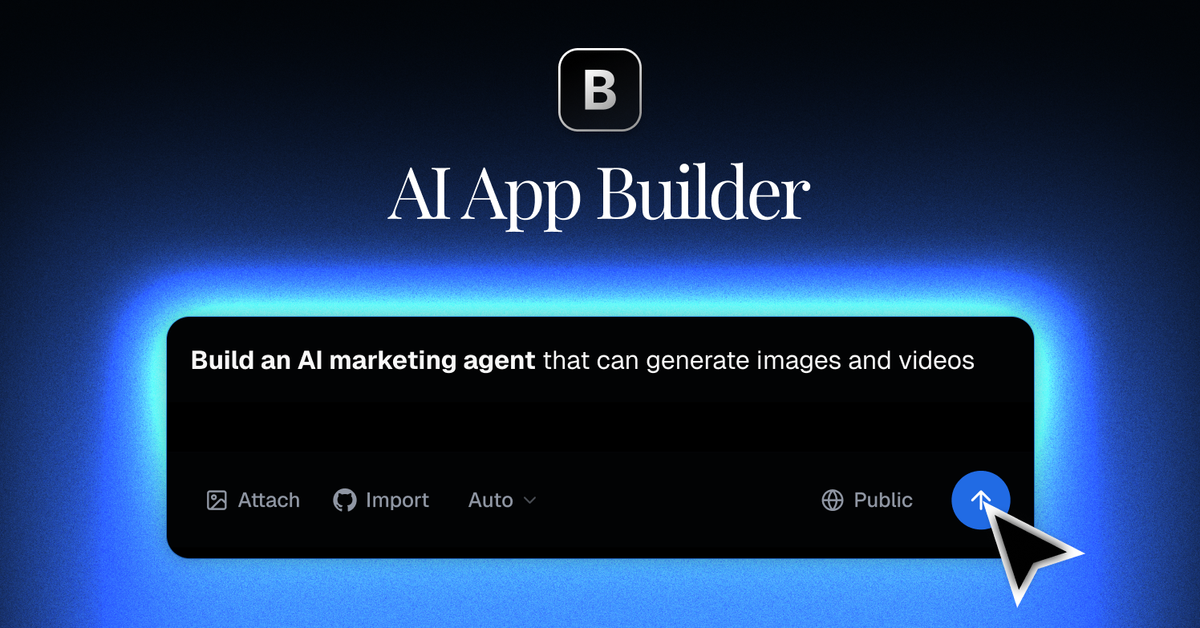
Blink is an AI app builder for creating websites, SaaS products, mobile apps, and Chrome extensions by chatting with AI. The product is positioned as an all-in-one platform where database, authentication, hosting, and deployment are included in the same workflow.
The site’s main promise is to move from prompt to live app quickly: describe what you want, watch Blink generate the code and backend, then deploy to a public URL. The platform also exposes extension features such as storage, real-time updates, email, analytics, Stripe, third-party APIs, and AI models for teams that need to keep building after the first version.
Describe an app in plain English and Blink generates the project structure and core functionality for you.
Each project gets an automatically provisioned SQL database, with visual editing available in the docs.
Authentication includes email, social login, and magic links, so sign-in flows can be added as part of the app.
Blink includes hosting with SSL, custom domains, and global CDN delivery for deployed apps.
The extend docs list backend routes, storage, queues, edge functions, real-time updates, email, analytics, and integrations as available capabilities.
The AI Gateway supports 200+ models for text, image, video, and speech tasks from a single API key.
Use Blink to create a SaaS product with authentication, billing, dashboards, and other standard product workflows already wired into the build process.
Use Blink when you need a community platform with sign-in, user accounts, real-time interaction, and backend features that can be extended over time.
Use Blink when you want to build an internal tool or prototype quickly and then layer in APIs, storage, analytics, or real-time behavior as the project grows.
Use Blink for apps that need third-party services such as Stripe, GitHub Sync, Supabase, or external APIs without assembling the stack manually.
Blink generates apps from plain-English prompts and can include authentication, database setup, APIs, and deployment in the same workflow. The source also shows dedicated templates and examples for SaaS, community platforms, and other app types.
The pricing page shows a free plan with 10 credits per month, plus paid plans for individuals, power users, heavy users, and teams. Blink also says you can build and deploy without a credit card on the free plan.
Blink describes a workflow where you describe the app, watch it come together, and then deploy it to a public URL. The docs also note that features are additive, so you can start with core functionality and extend the app later.
Yes. The pricing page includes a Team Plan with per-seat pricing, a shared workspace, collaboration, role-based access, and team management features.
Blink supports extension through backend features and third-party integrations, including database, authentication, storage, real-time features, email, analytics, Stripe, Supabase, GitHub Sync, and external APIs.