
Machine translation API
Offers machine translation through an API for organizations that need to translate content at scale across websites, apps, and internal workflows.

Devnagri is a language AI infrastructure platform for enterprise translation and localization, with API-based website, document and multilingual workflow support.
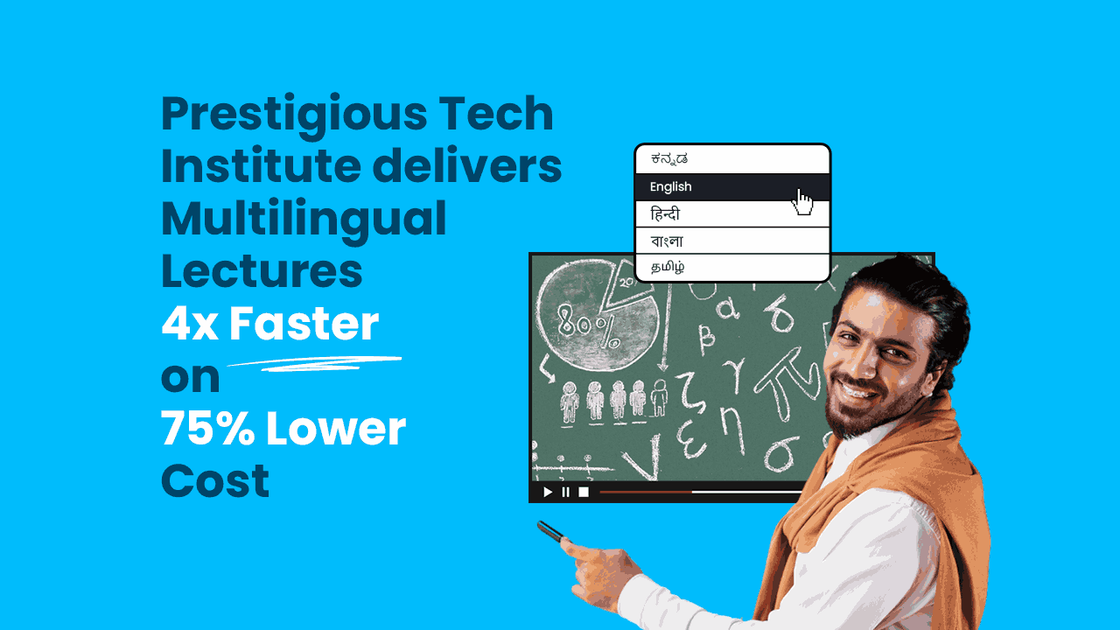
Devnagri is a sovereign language AI infrastructure layer for enterprise translation and localization workflows. The home page positions it as a system for orchestrating regulated language operations across languages with audit-ready, domain-trained AI.
Across its product pages, Devnagri presents a set of language tools centered on machine translation, website localization, document translation, OCR, transliteration, chatbots, voice bots, speech recognition, text to speech, and language models. The main translation API page emphasizes real-time translation at scale for organizations handling high volumes of content.
The platform is aimed at businesses that need multilingual communication across websites, apps, documents, and operational workflows, especially where accuracy, context, and controlled handling matter. The pricing page also groups the offerings by product family and industry use cases such as BFSI, e-commerce, D2C, and government.
Offers machine translation through an API for organizations that need to translate content at scale across websites, apps, and internal workflows.
Supports 40+ global and regional languages, including 20+ Indian languages and 20+ international languages.
Uses domain context, tone, and cultural nuance to improve output quality for regulated and industry-specific content.
Includes developer-facing materials such as clean documentation, sample calls, flexible output formats, RESTful access, and SDKs.
Handles large content volumes quickly, with the page describing support for thousands to millions of words without slowing the workflow.
Provides monitoring for usage, performance, and accuracy so teams can track translation activity in one place.
Translate large volumes of website or application content into multiple languages while keeping the workflow automated through the API.
Process documents for businesses that need translated reports, brochures, request forms, or policy material in regional languages.
Digitize scanned or image-based material with OCR before translation, which suits workflows that begin with non-editable documents.
Support regulated teams that need context-aware translation for legal, financial, or government content with controlled handling.
Power multilingual customer or internal conversations using the broader suite of bots, voice tools, and speech products listed on the site.
The source describes a content submission flow through the API, where content is securely submitted and returned in real time with domain-trained translation applied. The website does not provide implementation steps or setup details beyond that description.
Yes. The API page says the service is purpose-built for government, financial, and legal use cases, and the home page describes it as an infrastructure layer for regulated enterprise workflows across languages.
The API page says the infrastructure can handle millions of words in a single cycle, and the pricing page groups multiple language products, including translation, website localization, document engine, OCR, and bots.
The site does not publish pricing numbers on the pages provided. The pricing page shows product categories and a contact/sales path, so pricing appears to be handled through inquiry rather than self-serve public plans.
The site does not list integrations, SDK details, or implementation prerequisites in the provided pages. The API page does mention clean documentation, sample calls, flexible output formats, a RESTful API, and SDKs.